
MY ROLE: Senior User Experience Architect, Fairfax Media
Responsibilities
Stakeholder management, scoping and planning the project, planning and scheduling research work, conducting research and facilitating workshops, preparing and delivering research reports, design artefacts (eg personas, journey maps, JTBD, IA, OOUX), and working with the Agile delivery team to build and implement.
Objectives
Determine how Good Food can best be redesigned and architected to enable and empower audience members to create their best foodie lifestyle experience, whether eating in or going out.
Approach
- Understand business goals and priorities
- Understand, map and identify key audience tasks and goals for food experiences and website content wants, needs, pains and expectations through qual and quant research
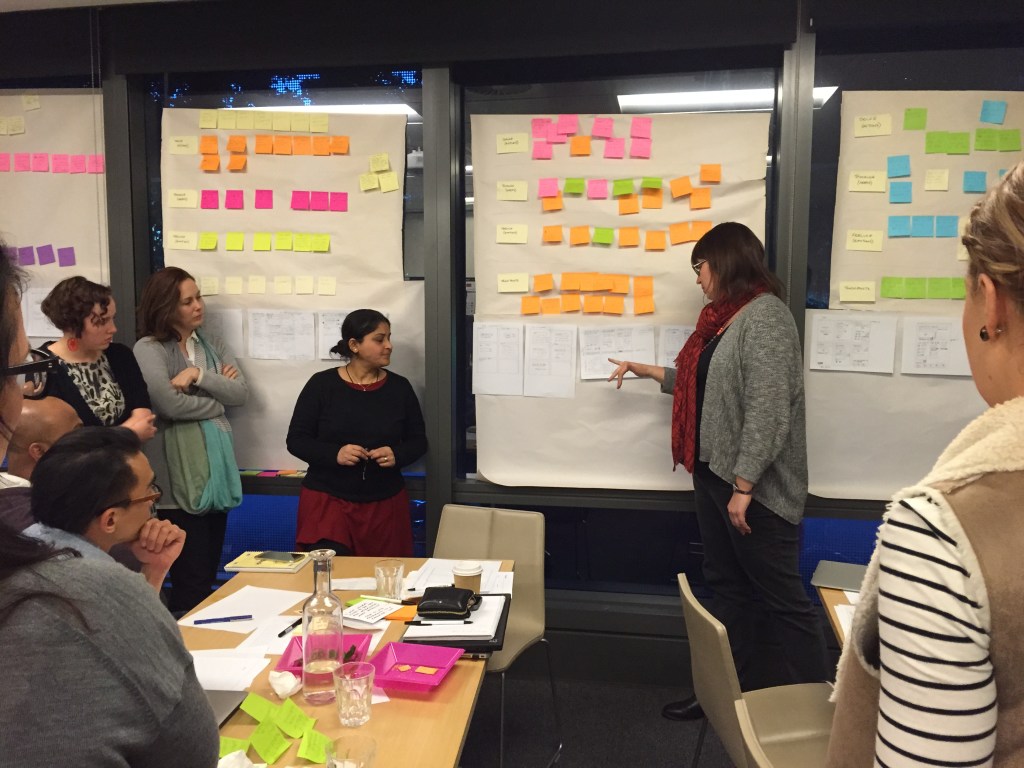
- Bring all relevant stakeholders on the journey through a co-creation process
- Design and deliver key artefacts, UX frameworks and prototypes, style guides and annotated wireframes for the build team
- Worked with the front-end team to develop responsive templates and a GEL system for the website and content components
Deliverables and achievements
- Synthesised the outputs from an initial design and ideation sprint at Second Road, to determine which ideas and insights were most relevant to the website experience
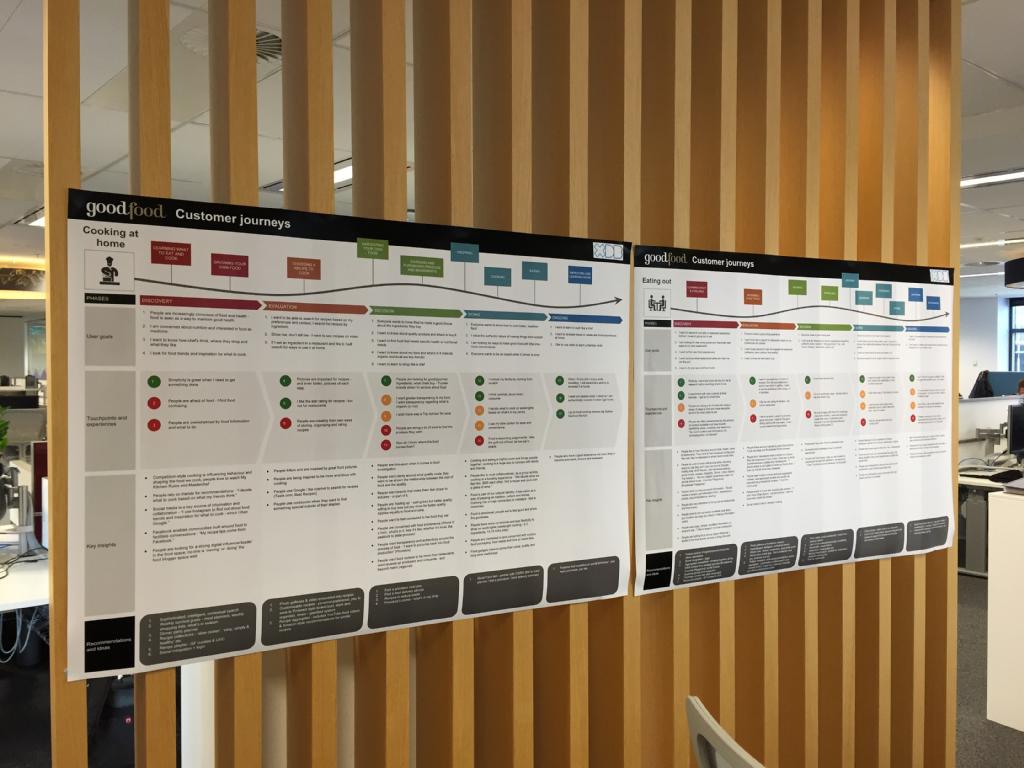
- Identified and map relevant insights around key focus areas – eating in and eating out – to determine key customer JTBD, needs, pain points, gaps, expectations and impact points
- Conducted a quant survey of 1350 customers to determine their priorities for visiting, primary content interests and features they would most like to see on the site – aligned findings with business priorities to determine top 5 focus areas
- Conducted a series of co-design workshops with key stakeholders – editorial team, Agile, product, SEO and commercial teams – to develop product canvases and create initial IA structures and design concepts for the new website
- Understand user browsing behaviour and identify key task-based user stories using analytics, qual and quant research data to inform the interaction design and content strategy
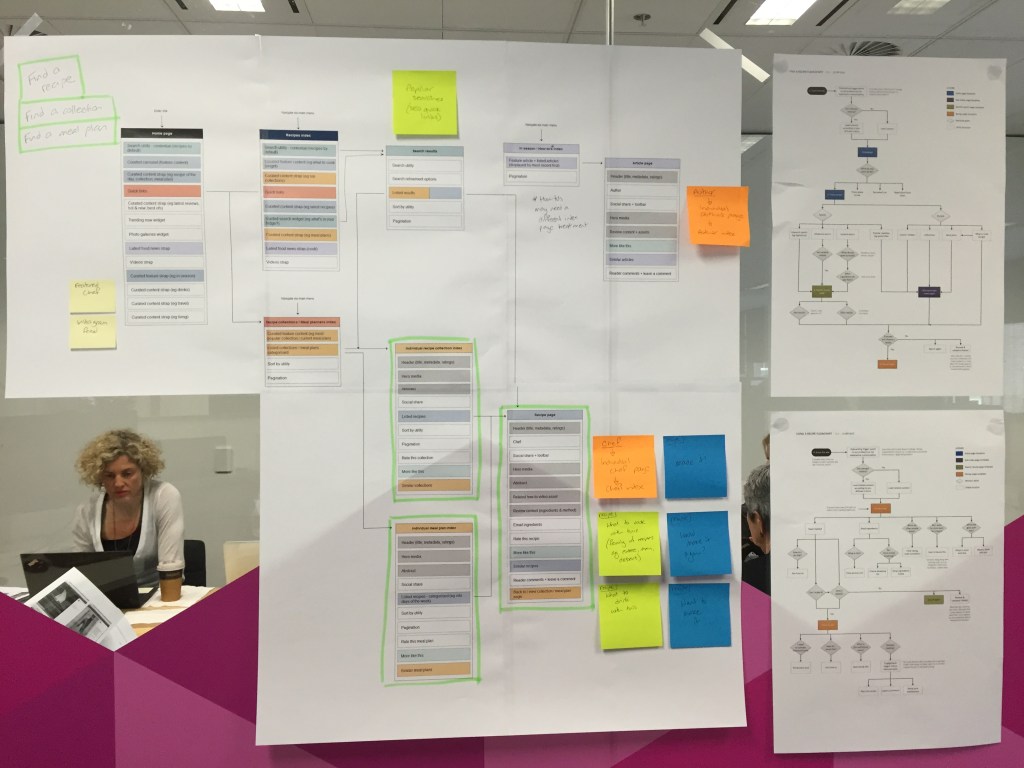
- Determined that the ‘destination page is the new home page’ and used this as the guiding principal for designing interaction flows, related integrated content and pathways across the site
- Developed an Object-Oriented UX (OOUX) framework to map contextual relationships between pieces of content, utility, UGC and pages, to help make decisions about page complexity/simplicity and what was necessary or not
- Developed a story map / roadmap for build to deliver an MVP of the new site design
Key metrics
- Logic of IA / structure and understandability
- Ease of use and management of the system
- Findability, relevance and usefulness of content stored in the system
- Number of internal staff members using WASABI regularly
- Number of internal staff members regularly contributing knowledge articles to WASABI
- Effectiveness of governance and operational processes in keeping WASABI dynamic and relevant over time
 Bea Pierce Design