
MY ROLE: Experience Design Prinicipal, Symplicit
Responsibilities
Stakeholder management, scoping the project, planning and scheduling research work, conducting research and facilitating workshops, preparing and delivering research reports, design artefacts (eg IA, content strategy, process maps, UX templates and style guides), recommendations for implementation and training materials (tools, resources and guidelines)
Objectives
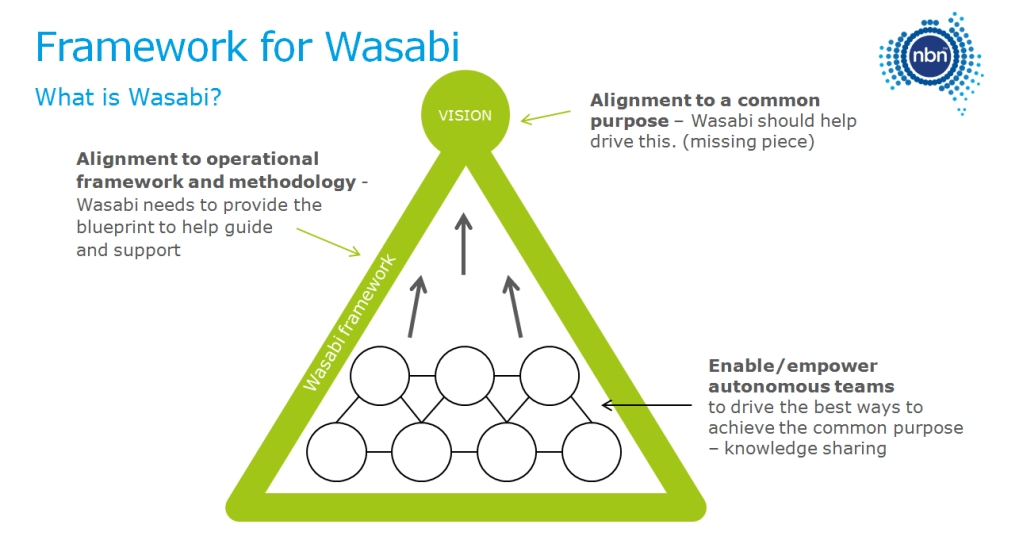
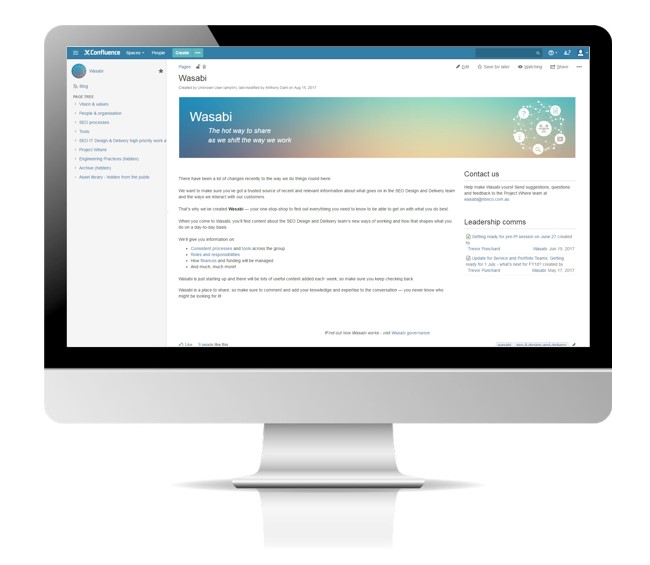
Determine how Confluence can best be architected to support a knowledge management system (WASABI) that enables and empowers autonomous teams to drive the best ways to achieve a common purpose.
Approach
- Evaluate and identify internal team requirements around information and knowledge management – what works, what doesn’t, needs, expectations, commonalities, important differences and opportunities for improvement
- Identify and map information seeking behaviours to determine gaps and pain points, understand interplays between teams and information exchange / integration needs
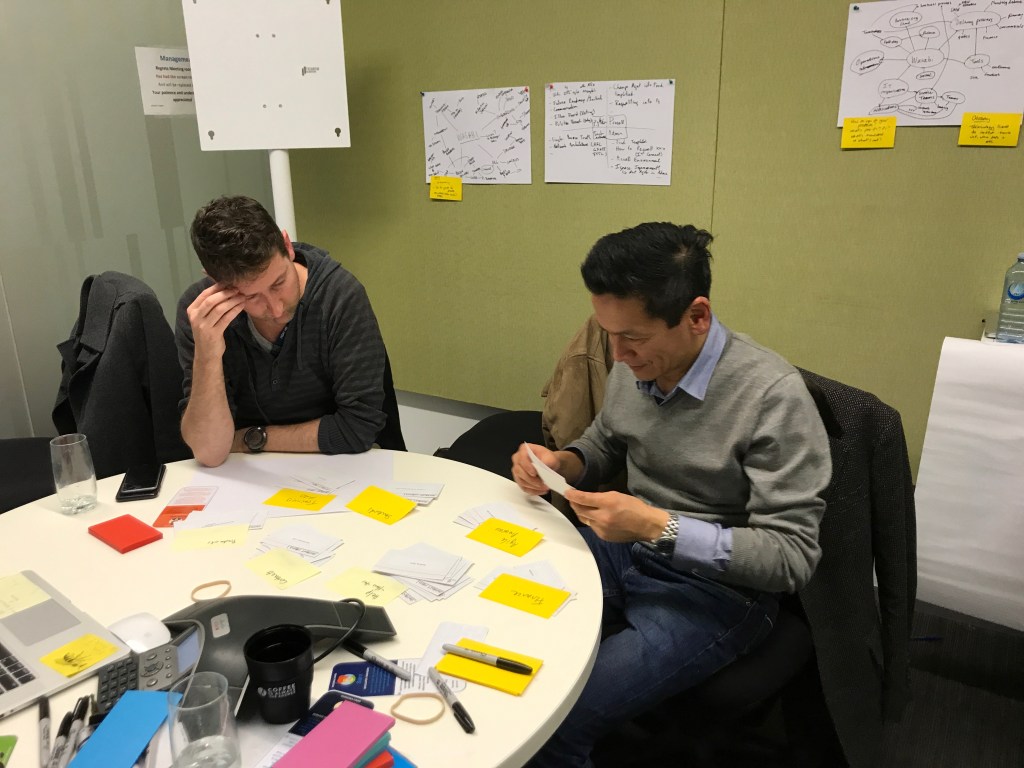
- Co-create the structure and architecture with teams who will be using and maintaining WASABI, to ensure the information is logically structured and categorized, findable and usable in different scenarios
- Understand and identify what makes information trustworthy, useful and relatable, to inform content strategy and ensure content remains relevant and dynamic over time
- Understand governance requirements for platform and develop operational processes and procedures to ensure knowledge management system can be easily administered and maintained
Deliverables and achievements
- Conducted a series of discovery workshops with internal teams and stakeholders to understand and identify information and knowledge management needs
- Conducted a series of co-creation workshops with internal teams to develop the IA and structure, utilising activities such as mind mapping and card sorting
- Designed frameworks, guidelines, templates and style guides to support the business in setting WASABI up effectively
- Developed prototypes and conducted concept tests of proposed AI structures, templates and frameworks with internal teams to determine DVF
- Worked with a content creator to develop the content strategy and content style guide
- Worked with key stakeholders to develop the governance strategy, change management plans and operational processes, procedures, production workflows and guidelines
- Delivered training modules, tools and playbooks to support teams in contributing to, using, administering and maintaining WASABI ongoing
Key metrics
- Logic of IA / structure and understandability
- Ease of use and management of the system
- Findability, relevance and usefulness of content stored in the system
- Number of internal staff members using WASABI regularly
- Number of internal staff members regularly contributing knowledge articles to WASABI
- Effectiveness of governance and operational processes in keeping WASABI dynamic and relevant over time
 Bea Pierce Design